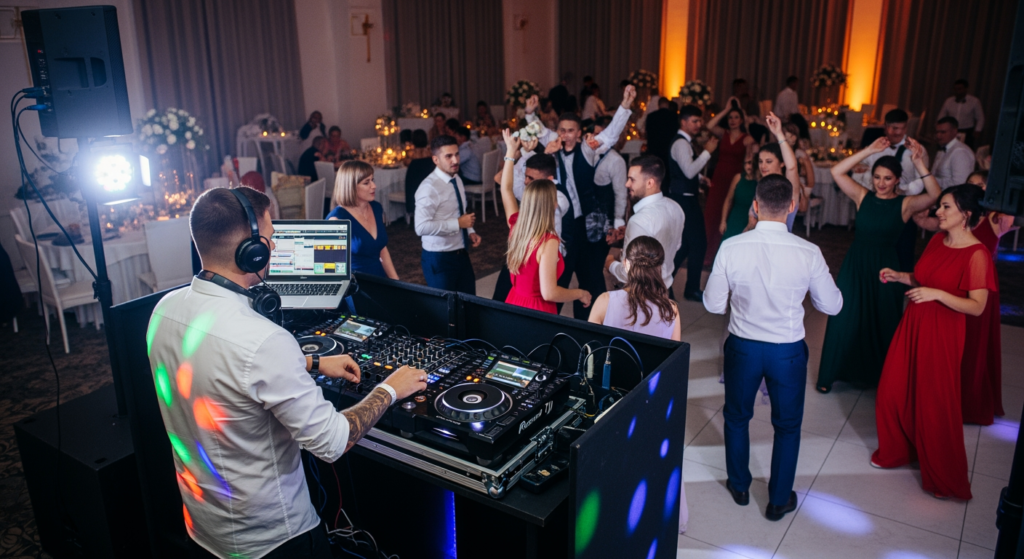
Music sets the mood for the whole day, so I always begin by searching for a trusted dj wedding and comparing options that suit our venue and guest mix. For context, official government guidance and local event rules affect capacity, licensing, and noise curfews, so I also check the latest on the government site to understand what’s allowed in the run up to the celebration: Government of the United Kingdom. That background helps me frame the right questions and choose a DJ who will keep the party alive while staying within local rules.
Why hiring a professional DJ makes a difference
A great DJ does more than press play. They read the room, guide the timeline, and keep energy flowing across the day. From ceremony acoustics to the last dance, a professional handles setup, soundcheck, equipment backup, and MC duties when needed. That means fewer fiddly decisions for you on a busy day and more time to enjoy guests and moments that matter.
The practical benefits you will notice
When I look for a DJ for weddings in the city, I focus on practical benefits that reduce stress: clear communication, experience at multiple venue types like city centre ballrooms, riverside warehouses, and village barns, and contingency plans for weather or technical failure. Professional DJs will arrive early, check power and signal, match levels for speeches, and coordinate with your photographer and venue team so nothing interrupts key moments.
Trending DJ ideas for modern weddings
Wedding music trends change quickly, and DJs who stay current add value. Recently I’ve seen two big trends that couples love: hybrid celebrations and immersive, personalized sets. Hybrid weddings combine in-person guests with livestreamed friends and family so the sound has to translate well for microphones and broadcast. Immersive sets use lighting, vinyl drops, and curated blocks of genre to create peaks across the night instead of a uniform playlist. Silent discos and micro-wedding sound design are gaining traction too, especially in venues with strict noise rules.
How to pick the right DJ in the area
Choosing a DJ is part research and part chemistry. Start by narrowing choices based on availability and proximity to the venue to lower travel costs and setup time. Then ask about venue experience. DJs who have worked frequently in the city know local noise restrictions, loading arrangements, and stage sizes. I recommend meeting your shortlist in person or via video to see how they communicate and to hear a short sample mix live.
Local considerations to check
Every area has its quirks. In the city centre you may face strict sound limits after a certain hour, while riverside venues might have awkward power access points. Ask your venue manager for the house rules and tell the DJ up front. A good DJ will adapt: use directional speaker placement to reduce spill, bring quieter stage monitors for speech times, or offer a silent disco option for venues that close early.
Questions to ask before you book
- Do you have experience at our venue or similar venues in the city and nearby neighborhoods?
- What equipment do you provide, and what will the venue need to supply?
- How do you handle backups for power, hardware, and playlists?
- Can you play requests and manage a do-not-play list?
These questions tell you about professionalism, whether the DJ prepares for problems, and how much control you’ll have over the playlist. I always ask for a written agreement that lists arrival time, setup needs, playlist policy, and a clear cancellation or postponement plan.
Designing a wedding music timeline that flows
Thoughtful sequencing turns a long night into a memorable story. A typical timeline I recommend includes separate sound setups for ceremony and reception when possible, a short cocktail or reception music set that keeps volume conversational, and a high-energy dance window for after dinner. Break the night into chapters—arrival, ceremony, drinks, first dance, dinner, and party—and plan music for each chapter so transitions feel natural rather than abrupt.
Sample setlist structure to share with your DJ
Share a sample and ask for DJ input. A reliable flow I often use looks like this: ceremony entrance song, signing music, recessional, cocktail jazz or acoustic covers, upbeat but chill background for dinner, dedicated first dance song, and a progressive club set that builds tempo into the late evening. Flexibility matters—your DJ should adjust tempo and genre based on the crowd’s reaction.
What packages include and how to compare costs
DJ packages vary. Look for clear line items so you know what you pay for: equipment (PA, subwoofer, stands), lighting, travel, setup and breakdown times, MC services, and any licensing fees. Some DJs include uplighting and a wireless microphone for speeches; others charge extra. In my experience, a transparent contract and a breakdown of extras save headaches later and make comparisons apples-to-apples.
Sound and technical considerations to solve common problems
On-wedding-day problems are rare when you plan, but the top issues I’ve seen are power failure, late venue access, and conflicting sound sources like a live band. Insist your DJ carries a full backup kit: spare cables, a second laptop or controller, battery-powered devices, and an uninterruptible power supply. If you have a live band and a DJ, plan a handover and set clear stage times so both parties can share sound safely.
Noise curfew and neighbors
Noise curfews are common in urban and suburban areas. Your DJ should know how to read local rules and work with the venue to avoid fines or abrupt shut-downs. Tactics include placing speakers away from sensitive facades, using bass management to reduce low-frequency bleed, and scheduling the final high-energy set earlier if required. If your DJ offers a silent disco option, that can be a creative workaround for strict curfews.
Inclusive music choices and keeping guests engaged
Creating a playlist that respects diverse tastes is a skill. I always ask couples for must-play and do-not-play lists and encourage a balance between crowd-pleasers and personal songs. A respectful DJ knows how to blend classics with current hits and can read the room to bring in nostalgic tracks that get multiple generations on the dancefloor. For mixed-nationality guest lists, include a few culturally significant songs timed for moments that matter.
Two simple lists to help you book with confidence
- Booking checklist
- Confirm arrival and soundcheck times in writing
- Confirm power access and load-in procedures with venue
- Agree on playlist do-not-play list and special songs
- Get a contact number for day-of coordination
Use this checklist as a minimum. Having a single point of contact between you, the DJ, and the venue smooths out last-minute changes and helps the timeline stay on track.
- Day-of music tips
- Share a short timeline with the DJ and vendors 48 hours before the wedding
- Assign a trusted guest to handle guest requests so the DJ can focus on the crowd
- Allow mic time for speeches and test the microphone during the soundcheck
- Plan the first dance song and a few transition cues in advance
Working with a DJ and other vendors
A seamless wedding is a team effort. I always coordinate the DJ with the photographer and venue manager so flash timing and sound levels don’t clash. If you have a live band plus DJ, set a clear plan for handover and designate a sound tech or stage manager to ensure levels are balanced and the stage is safe. If your venue requires proof of public liability insurance or specific electrical certificates, ask for them early.
Budget-friendly ideas without losing quality
On a tighter budget you can still hire a pro. Consider a shorter DJ set that covers the essential dance window, or combine a DJ for the party with pre-curated playlists for ceremony and dinner. Some DJs offer smaller PA options for intimate venues that still deliver great sound without the premium price for club-sized systems. Ask about weekday or off-season discounts; vendors often reduce rates outside peak wedding months.
Final checklist before you sign
Before you book, confirm these items in writing: firm fee and payment schedule, start and end time with setup and breakdown windows, a clear cancellation or postponement policy, and the full list of equipment included. If you’re working within noise limits, include who is responsible for monitoring volume and how that will be handled. A clear contract protects everyone and sets expectations for the big day.
When you’re ready to move forward, a simple plan and the right DJ turn an ordinary reception into a night people remember for years. I focus on DJs who combine local venue experience with up-to-date trends like hybrid livestreaming and personalized set design to create something unique and reliable for your celebration. If you want a responsive, creative team that knows the city and the venues here, consider connecting with Spin Sisters to discuss your date and vision.