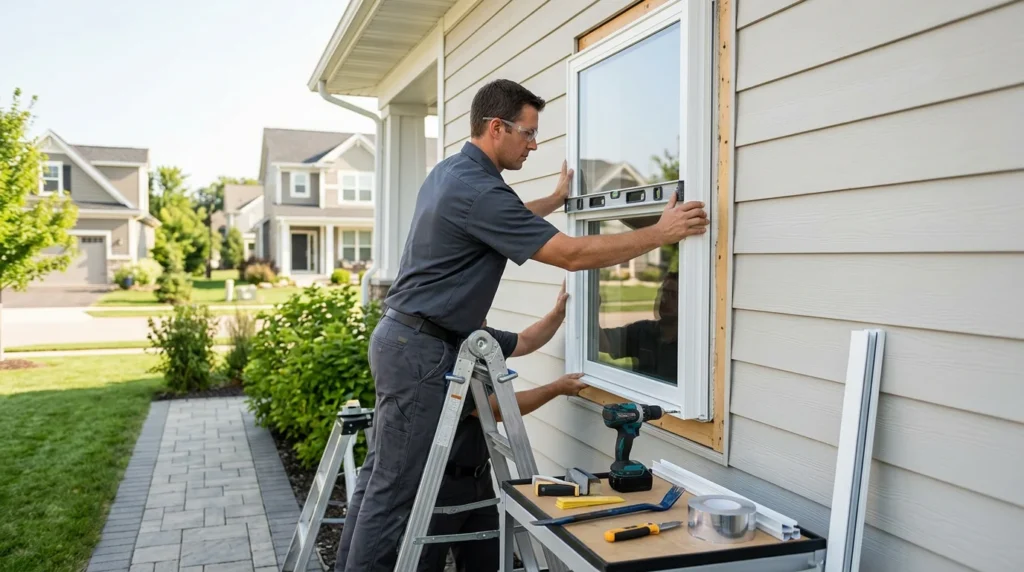
Quick answer: To get an accurate window replacement quote, schedule an on-site measure, confirm the exact window count and sizes, choose the frame material and glass package, and clarify what’s included (installation method, trim work, disposal, permits if needed, and warranty). Ask for the quote in writing with a clear scope, product line/series, and timeline so you can compare bids consistently and avoid surprise change orders.
What a Good Quote Appointment Should Include
An accurate quote starts with a real measurement, not a guess based on photos or “standard sizes.” A good estimator measures each opening, checks if the frames are square, and looks for signs of hidden issues like soft wood, water staining, or shifting that can change the installation plan. If you’re searching window replacement quote near me, ask up front whether the quote is based on an in-home inspection and whether it includes a detailed written scope.
You’ll also want clarity on the installation approach. A pocket (insert) replacement is usually appropriate when the existing frame and sill are solid, the opening is reasonably square, and you’re keeping the same size and style. Full-frame replacement is usually the safer call when you see rot/soft spots in the sill or jambs, chronic water intrusion, failed flashing details, significant out-of-square openings, or you want to change the window size, type, or exterior trim details. The quote should state which method is being priced and what site conditions would trigger a change.
Confirm what’s included around the window: interior trim touch-ups, exterior capping/wrap, caulking, insulation around the frame, and haul-away of old units. Those line items are where quotes often look cheaper than they really are.
Details That Change the Price (And the Performance)
Most quote differences come from product choices, not just labor. Frame material (vinyl, fiberglass, wood-clad) affects durability, maintenance, and cost. Glass options matter too: double-pane vs. triple-pane, low-E coatings, gas fills, and laminated glass for noise or security. A quote should name the glass package and any ratings provided (for example U-factor/SHGC), not just say “energy efficient.”
Window style also changes complexity. A fixed picture window is usually simpler than an operable casement or double-hung. Grids, specialty shapes, tempered glass (often required near doors, tubs, or low-to-floor locations), and egress requirements for bedrooms can all affect the final number. If any of those apply, make sure they’re written into the scope so you’re not surprised later.
If you’re trying to reduce outside noise, ask specifically about laminated glass and tighter air seals, plus how the installer will air-seal the gap between the window and framing. For comfort and fewer drafts, installation quality—proper shimming, insulation, and water management details—can matter as much as the window itself.
What to Verify When Shopping “Near Me”
Local shopping is convenient, but still verify basics that protect you if something goes wrong. Ask for proof of general liability insurance and workers’ compensation coverage (or a clear written statement of how labor is covered). Licensing rules vary by city/county and by the scope of work, so ask what license is required for your job and who holds it.
Clarify permit responsibility in writing. Some window replacements don’t require a permit in certain areas, but others do—especially if you’re changing the opening size, switching to a different egress configuration, or altering structural components. The quote should state who pulls the permit (if needed) and who pays the fee.
If a manufacturer certification is being used as a selling point, ask what that certification actually changes (warranty eligibility, installation requirements, or product access) and request documentation. Also ask how service calls are handled after install: who you contact, typical response window (as an estimate), and whether warranty labor is covered separately from product warranty. Documents to request are a certificate of insurance, a written scope/contract, and the product warranty terms (or a model warranty sheet) for the window line being quoted.
How to Compare Quotes and Control Surprise Costs
Ask each company to quote the same scope: same window count, same installation type, same finish work, and the same glass and frame specs. If one quote is missing disposal, exterior trim, or interior repairs, it can look lower while leaving you with extra bills later.
Allowances are a common source of confusion. They often cover minor wood repair, small amounts of trim replacement, or limited exterior wrap materials. To cap risk, ask for (1) a written definition of what the allowance includes, (2) an hourly rate and material markup for work beyond the allowance, and (3) photo documentation and approval before extra work proceeds, except for true safety/weather emergencies.
Use this simple template to compare bids consistently:
- Window line/series (brand + model)
- Glass package (double/triple, low-E type, gas fill, laminated/tempered where applicable)
- U-factor / SHGC (if provided on the quote)
- Installation type (pocket vs full-frame) and what conditions trigger a change
- Exterior wrap/capping and flashing/water-management approach
- Interior trim work (what’s replaced vs reused; paint/stain responsibility)
- Disposal/haul-away included (yes/no)
- Lead time for ordering and estimated install duration
- Warranty split (product vs workmanship) and who you call for service
Next steps checklist: before the visit, send window photos (inside/outside), note any leaks/drafts/condensation issues, confirm window count, and list any must-haves (noise reduction, easy-clean, security, matching grids). During the visit, ask which install method they recommend and what site signs would push a full-frame. The written quote should include the window line/series, glass package, install type, exterior and interior finish scope, disposal, permit responsibility, timeline, payment schedule, and warranty split. Red flags include refusing to provide proof of insurance, pushing a large deposit before measurements/specs are finalized, vague product descriptions (“builder grade”), no written scope, and unwillingness to explain how change orders are priced and approved.