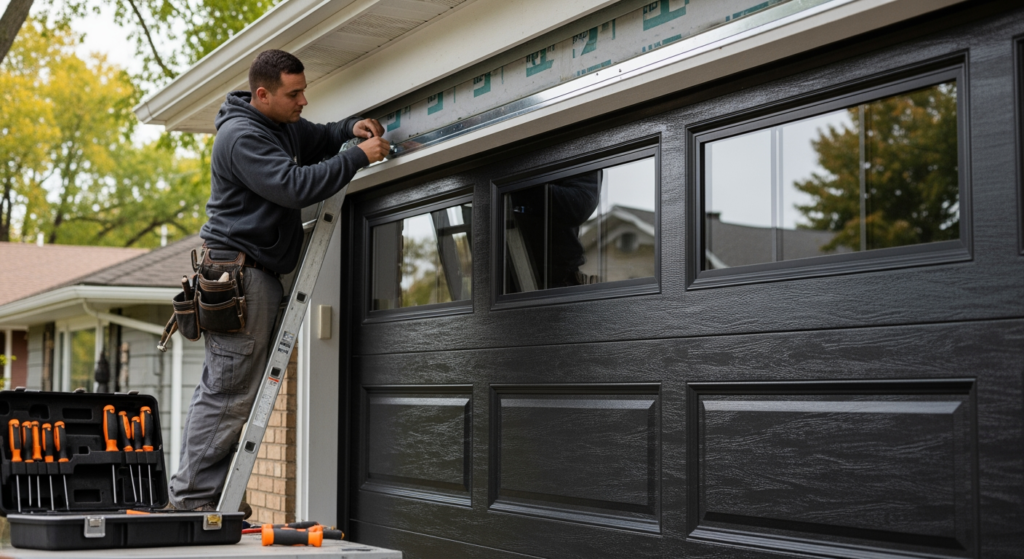
I know how quickly a stuck or noisy door can upend your day — whether you’re in Highland Park, Lowertown, or near Summit Hill. If you’re searching for garage door repair St Paul, this guide walks you through what to expect, practical DIY steps, and local trends that affect service times and costs. For local rules, permits, and safety guidance I often check the city’s official resources at St. Paul city before recommending any structural work.
Why garage doors fail and what that means in St. Paul weather
Garage doors are simple in concept but involve many moving parts: springs, cables, rollers, tracks, openers, and sensors. The cold, wet winters and humid springs we get in St. Paul accelerate rust, cause metal to contract, and can wear down weather seals. That means problems you see here often arrive faster than in milder climates. I’ll explain the most common failures and how to spot them early so you don’t end up with an emergency late at night.
Common garage door problems I see in this area
Knowing the signs means you can act before a minor issue becomes an expensive repair. These are the failures I encounter most often in the city and surrounding neighborhoods.
- Broken extension or torsion springs — a sudden bang or a door that won’t lift is a telltale sign.
- Worn rollers or loose tracks — doors that stick or wobble while moving.
- Opener motor failures or remote malfunctions — the electronics age faster when moisture gets in.
- Damaged panels from impacts — dented sections can affect track alignment and weather sealing.
When to call a professional right away
Some repairs are dangerous or require specialized tools. I always recommend calling a licensed technician when you have any of these issues, because DIY attempts can cause injury or more damage:
- Visible broken springs or cables, especially if the door is heavy or stuck closed.
- Door that falls or slams when partially open — this indicates loss of counterbalance.
- Snapped or frayed cables and severe track damage.
- Complete opener failure where manual override doesn’t release the door.
Quick safety checks you can do today
Before the technician arrives, there are safe, simple things I recommend doing so you can describe the problem accurately and maybe save time and money.
- Visual inspection: walk around the door, looking for loose bolts, gaps in weather stripping, and obvious panel damage.
- Sensor check: wipe the photo-eye sensors with a clean cloth and press the opener — misaligned sensors often stop the door from closing.
- Balance test: with the opener disconnected, lift the door halfway and let go. If it drifts up or down, the springs are out of balance and need professional adjustment.
- Listen: note whether noise is a grinding, scraping, or popping sound — this helps diagnose rollers, tracks, or springs.
How repairs usually proceed and what I expect from a good service visit
When I schedule a repair, I want clear communication, an accurate estimate, and safety-first practices. Here’s the typical process a trained technician should follow during a visit:
- Comprehensive inspection and explanation of findings before any work starts.
- Written estimate with parts and labor broken out, not just a flat number. This helps you compare later if you need follow-up.
- Use of proper parts and manufacturer-recommended spring ratings and cable sizes.
- Post-repair testing of safety features including auto-reverse, sensors, and remote pairing.
What to ask your technician
I always ask these questions and encourage homeowners to do the same so there are no surprises:
- Are parts new or refurbished and are they covered by a warranty?
- How long will the repair take and are there potential delays for special parts?
- Do you carry the correct spring sizes and opener models for my door type?
- Can you show me the safety tests you’ll perform when finished?
Typical cost factors for garage door repair in St. Paul
Costs vary based on the part, labor, and whether the job is emergency or scheduled. Here are the biggest factors that change the price:
- Type of spring: torsion springs cost more than extension springs because they require more precise tools and setup.
- Door material and panel replacement: metal and insulated panels are pricier than single-skin steel.
- Opener complexity: smart openers, battery backup, and belt drives cost more to replace than basic chain-drive units.
- Accessibility: tight driveways, detached garages, or hillside homes in some neighborhoods can increase labor time.
DIY fixes that are safe and save money
I’m all for rolling up my sleeves, but safety is key. These small tasks are safe for most homeowners and often restore function or prevent further damage:
- Tighten loose hardware: check bolts and brackets and tighten with a wrench; vibration loosens them over time.
- Lubricate moving parts annually: use a silicone or lithium-based spray on rollers, hinges, and springs to reduce squeaks and wear.
- Replace weatherstripping: keeping moisture out prevents rot and reduces heating loss from the garage.
Avoid working on springs or cables yourself. Those components store a great deal of energy and can cause serious injury when mishandled.
Trending upgrades I recommend for local homeowners
Two trends I’m seeing across the city are especially useful for St. Paul homes: smart integration and energy-efficient doors. Here’s why they matter.
Smart openers and added security
Smart garage door openers let you monitor and control the door from your phone, set temporary access for contractors, and receive notifications when the door opens. For families in busy neighborhoods like West 7th or Macalester-Groveland, that added visibility is a real convenience and security boost. Newers units often include built-in battery backup so a power outage doesn’t leave you stuck.
Insulated doors and energy savings
If your garage is attached or you use the space often, upgraded insulated panels reduce heat loss in winter and improve efficiency. Insulation also reduces noise from the opener and makes the door feel sturdier against Minnesota winds.
Preventive maintenance schedule that actually works
Keeping on top of maintenance extends the life of your door and avoids emergency calls. I follow a simple schedule that’s easy for homeowners in the city to remember.
- Monthly: visual check for gaps, loose hardware, and debris in the track.
- Biannually: clean and lubricate moving parts, wipe sensors, and test safety features.
- Annually: professional inspection to test spring tension and balance, and to check motor health.
Emergency situations and how to handle them
Emergencies happen. If the door won’t open and you’re blocked in or out, stay calm and follow these steps while waiting for help:
First, avoid forcing the door. Forcing can damage tracks and the opener. If you have access to the manual release cord and know how to use it safely, you can disengage the opener and lift the door manually, but be cautious — if springs are broken, the door can be very heavy. If you suspect a broken spring or hear a loud snap, step away and call a professional immediately. For nighttime or holiday emergencies, expect an after-hours fee, but many technicians in the area offer prompt response because safety is a priority.
How I pick parts and explain estimates to homeowners
When I review estimates, I prefer transparency. Good service providers will list parts and labor separately and explain why a higher-quality part is recommended. For example, a higher-rated torsion spring matched to your door’s weight and cycle rating reduces the chance of premature failure. If an opener is older than 10 years and the motor has worn bearings or lacks modern safety features, replacement may be the more cost-effective option compared with frequent repairs.
Choosing a local technician that’s right for you
Here are the traits I look for when choosing someone to work on my home:
- Licensed and insured with clear proof available upon request.
- Transparent pricing and written estimates, not vague hourly quotes.
- Good local reviews and willingness to explain repairs in plain language.
- Same-day or rapid response for emergency calls in your neighborhood.
Final tips for keeping your garage door trouble-free
Small habits protect your door and your wallet over the long run. Keep the track clean and free of small debris, test the balance of the door twice a year, and schedule at least one professional inspection annually. If you’re selling a home, consider a pre-listing service to ensure the door operates smoothly for showings — buyers often notice the garage as part of curb appeal.
If you want help diagnosing a specific problem or scheduling a preventive inspection, I recommend contacting a local pro who knows St. Paul neighborhoods and weather-related wear. A prompt, transparent visit can save you time and avoid emergency costs down the road.
For trusted, local service in St. Paul, consider reaching out to AA Garage Door to discuss options, get an on-site estimate, or schedule emergency support.