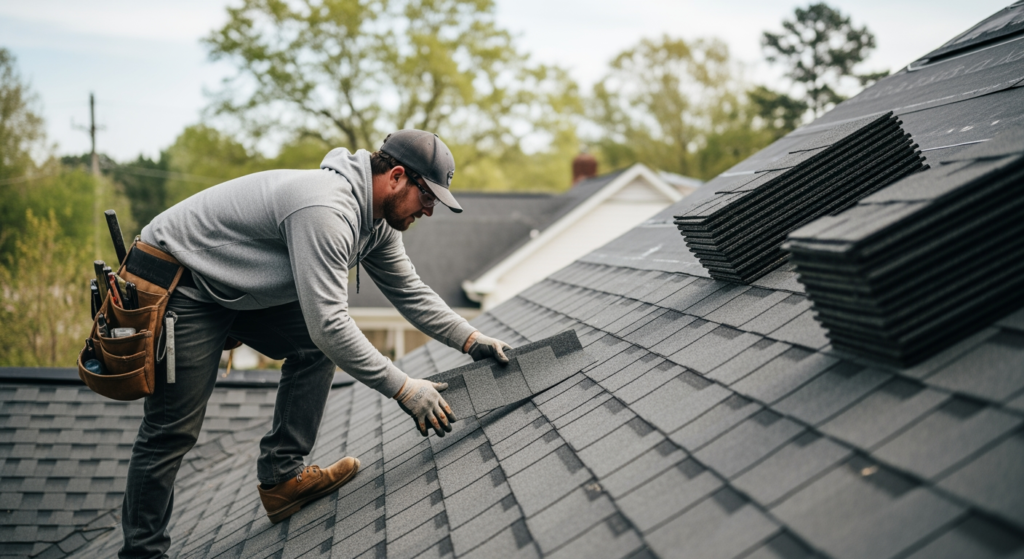
When a drip appears in the middle of a rainy night, I know how quickly small trouble becomes a full-blown emergency. If you’re searching for roof repair Athens GA, you’re not alone—our area’s storms and tree-lined streets mean roofs take a beating. For context on how weather patterns are changing and what that means for local roofs, see the NOAA homepage for current climate and severe weather trends at NOAA.
Why roofs in Athens age faster than you expect
Athens has character: big shade trees, older craftsman homes, and neighborhoods like Normaltown, Five Points, and Downtown that give the city its charm. Those same features also accelerate roof wear. Shade traps moisture, older roof lines often have multiple valleys, and frequent summer storms or late-winter freezes can loosen shingles and flashings.
Beyond aesthetics, there are three structural reasons roofs need attention more often here: the tree canopy, seasonal storm swings, and aging roofing systems that were installed 15–25 years ago. I’ve seen homes where one storm loosened a ridge line that simply needed a low-cost targeted repair. Other times the damage was deeper—saturated underlayment, warped decking, and hidden leaks in the attic.
Common roof problems homeowners see in this area
Understanding the patterns helps you spot trouble early. The most frequent issues I encounter include:
- Missing or cracked shingles after wind events
- Clogged gutters causing water to back up under eaves
- Failed flashing around chimneys, vents, and skylights
- Granule loss on asphalt shingles leading to shortened lifespan
Each problem has a different urgency. A handful of missing shingles after high winds is fixable quickly. Water staining on a ceiling usually means the leak has been present long enough to damage the roof deck or attic insulation—don’t wait to act.
How to tell if a repair will fix it or if you need a replacement
I always start with a simple inspection checklist so the decision isn’t emotional. Look for these signs:
- Roof age. If the roof is older than 20 years and shingles are brittle or curling, replacement may be the smart move.
- Extent of damage. Is the issue localized (a few shingles) or widespread across the roof?
- Underlayment condition. Water stains in the attic or soft spots on decking indicate deeper problems.
- Energy and ventilation. Poor ventilation and inadequate insulation often signal it’s time to replace rather than patch.
When in doubt, get a professional inspection. A trained eye can spot deck rot, compromise in flashing, and other issues you can’t see from the ground. Many Athens homes have attic access that makes an internal check simple and revealing.
Immediate steps to take after a leak or storm damage
Acting fast limits interior damage and keeps repair costs lower. Here’s a short action plan I share with neighbors after a storm:
- Protect the interior. Move valuables away from leaks and place buckets under drips. Clear wet insulation if you can safely access it.
- Patch temporary holes. A tarp or heavy-duty plastic can protect a damaged area until a pro makes a permanent repair.
- Document everything. Take photos of roof damage, interior stains, and any debris. This helps with insurance claims.
- Call a local roofer for an assessment so small issues don’t become structural ones.
These steps reduce further damage and give professionals a clear starting point. If a tree limb hit your roof or storm debris is present, avoid walking on the roof yourself. Slippery shingles and hidden structural damage create real safety risks.
What a trustworthy roof repair visit looks like
When I bring a contractor onto my property, I expect a certain sequence that protects me and makes the repair efficient. A professional visit should include:
An exterior inspection from the ground and ladder where safe, a walk-through of attic spaces to spot leaks, clear documentation of defects, an itemized estimate describing materials and steps, and a clear timeline for work. A reliable contractor explains how they’ll protect landscaping, where they’ll stage materials, and whether a permit is required.
Permits are common for major repairs or when decking is replaced. A contractor familiar with Athens and Clarke County will handle permits and inspections, so you don’t have to navigate that paperwork alone. If you live near prominent streets like Prince Avenue or Baxter Street the crew will often note access points and parking when planning the job.
How insurance typically works for roof repairs
I always recommend homeowners review their insurance policy before work begins. Insurance may cover storm or wind damage, but coverage for wear-and-tear is rare. For Athens properties, consider these tips when filing a claim:
Keep a detailed record of the damage and any temporary repairs. When the adjuster visits, walk the property together to point out problem areas. If the estimate from your contractor differs from the insurer’s assessment, ask for clarification and documentation. A clear, itemized contractor estimate speeds approvals and settlements.
Cost factors that influence a repair quote
Several variables affect price beyond just square footage. Expect to see differences based on:
Material type—architectural asphalt shingles cost more than 3-tab options but last longer. Roof slope and complexity—steep roofs and multiple valleys increase labor time. Underlayment or deck replacement—if water has damaged the deck, repairs are more extensive. Flashing and ventilation—upgrading flashings, ridge vents, and soffits improves longevity and can be included in a repair quote.
In Athens, many homeowners choose mid-grade architectural shingles because they balance cost and durability in our mixed climate. Metal roofing has grown in popularity for durability and wind resistance, but it’s a different investment that often comes with a longer warranty.
Trends to watch in roofing for 2026
Two local trends are shaping choices right now. First, storm resilience is front of mind. With more frequent severe weather events in parts of the Southeast, homeowners are choosing stronger underlayments, better flashing systems, and shingles rated for higher wind speeds.
Second, energy efficiency matters. Cool-roof shingles and improved attic ventilation reduce attic temperatures and can lower cooling bills during hot Athens summers. If you’re planning a full replacement, consider upgraded ventilation and insulation to improve comfort and extend shingle life.
How I choose a local contractor in Athens GA
Trust is everything. Here are the criteria I use to pick a contractor and what I recommend you ask during your call:
- Verify local presence and experience working in Athens neighborhoods. Local crews know permit rules and common roof details on older homes.
- Ask for proof of insurance and written guarantees on workmanship and materials.
- Request an itemized estimate and a clear timeline. Avoid vague or “ballpark” pricing.
- Check recent reviews and ask for references from projects like yours.
A good contractor will explain the difference between an immediate repair and a long-term solution. They’ll show you before-and-after photos and walk you through ventilation needs and flashing upgrades. If you live in a historic district near downtown, ask about experience with historic rooflines and approvals.
DIY repairs I recommend and repairs you should avoid
There are small things I’m comfortable doing myself—clearing gutters, replacing a vent boot, or sealing a minor leak with approved roofing sealant on a low-slope area. But other actions are best left to pros: walking on brittle shingles, removing large sections of roof, and repairing structural decking. Improper DIY repairs can void warranties and lead to bigger costs down the line.
Maintenance plan that saves money over time
A simple maintenance routine keeps small issues from becoming expensive. I follow a seasonal checklist that takes a couple of hours a year and pays dividends:
In late spring and early fall, inspect gutters and downspouts, trim back branches that hang over the roof, clear debris from valleys, and check attic ventilation and insulation. If you notice granules in gutters or significant shingle wear, schedule a professional inspection. Preventive maintenance reduces emergency repairs and extends the life of your roof.
Actionable tips to protect your roof right now
Here are practical steps you can take today that make a measurable difference:
- Install gutter guards to reduce clogs and standing water on the eaves.
- Trim tree limbs at least 6 feet away from the roof to limit moss and branch damage.
- Inspect the attic for signs of light coming through the roof or wet insulation after storms.
- Schedule a professional roof inspection every 2–4 years or after serious weather events.
These actions are low cost and prevent most common roof problems I see in this city and its neighborhoods.
Final thoughts and next steps
Roof trouble is stressful, but a calm, methodical response prevents panic and reduces cost. Start with a short checklist: protect the interior, photograph the damage, and get a local inspection. If you need help fast, a local team that understands Athens streets, older home details, and county permitting will make the process smoother.
If you’d like a prompt, experienced team to assess your roof and offer clear options, reach out to Tipton’s Fine Tuned Carpentry for a friendly, local consultation. I’ve found that working with a crew who knows the neighborhoods and common risks here leads to better, longer-lasting repairs.